



The figure compares the POLARIC target to the current state-of-the-art in organic electronics.
A new EU-funded project POLARIC was launched in January 2010 to develop roll-to-roll printing of high-performance organic electronic circuits. The project will revolutionise the way printed electronic circuits are made by combining large-area fabrication methods with high-performance organic electronic circuits on a scale not previously attempted. So far the appearance of organic thin film transistors and circuits in industrial products has been limited. The main obstacle for substantial market penetration of such organic electronic components has been the inability to achieve the necessary device performance combined with the necessary high-volume production methods.
Read more...
Highest throughput and efficient material utilization by using of ultra short pulsed laser
Organic light emitting diodes (OLED) are electronic devices with a total thickness of a few millimeters sending out light. OLEDs are composed of different organic semiconductor thin film layers. Typical are a high image quality at a wide viewing angle and less energy consumption. That is the reason why OLEDs are mostly used in small portable units, e.g. displays of mobile phones.
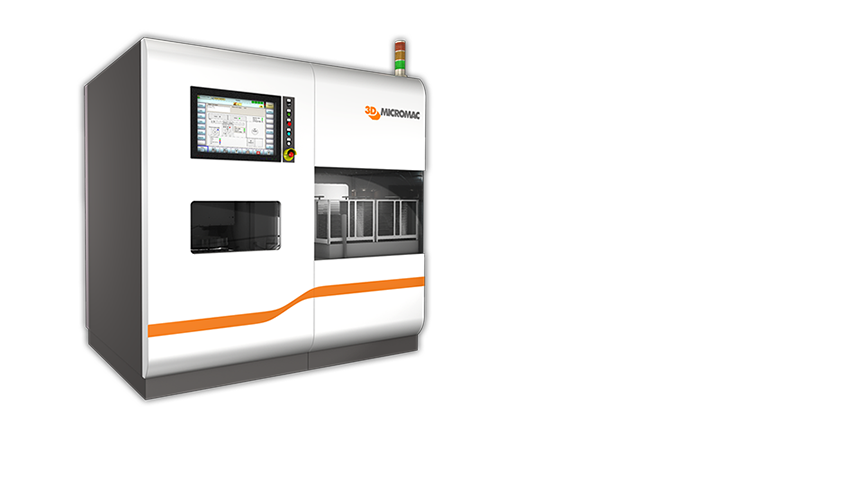
During the manufacturing process of an OLED the different thin film layers needs to be structured. Up to now mechanical or wet chemical technologies were used. A new and innovative solution for structuring these thin films is selective laser structuring.
Read more...
The contribution of laser technologies to increase the efficiency of solar cells
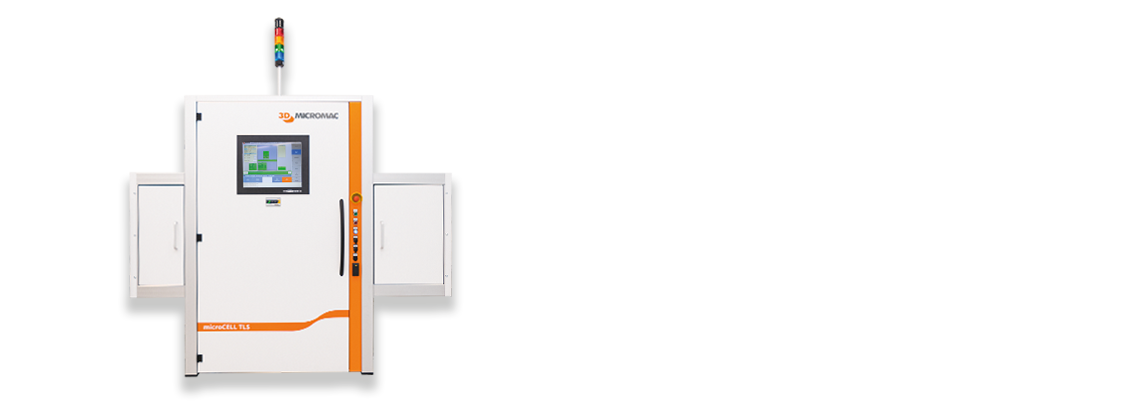
Driven by ecological awareness and short-running fossil combustibles, photovoltaic is gaining ever increasing importance for the production of energy. In order to achieve a reduction of manufacturing costs and increase the efficiency in parallel, e.g. the cell design of solar cells is continuously developed and improved. One approach is the so-called Back-Contact Cell Design. With it, the efficiency of solar cells can be significantly improved by a redesign of the front-side contacts that are covering considerable portions of the active area. The basic idea is to shift as much contact area as possible towards the back side of the cell. This is achieved by drilling holes of different size using a laser. Employing the EWT (emitter wrap-through) concept, electrical contacts are being transferred from the front side towards the rear side. One of the obstacles for the industrial use of the EWT-technology so far was the relatively low throughput with high investment costs.
Read more...